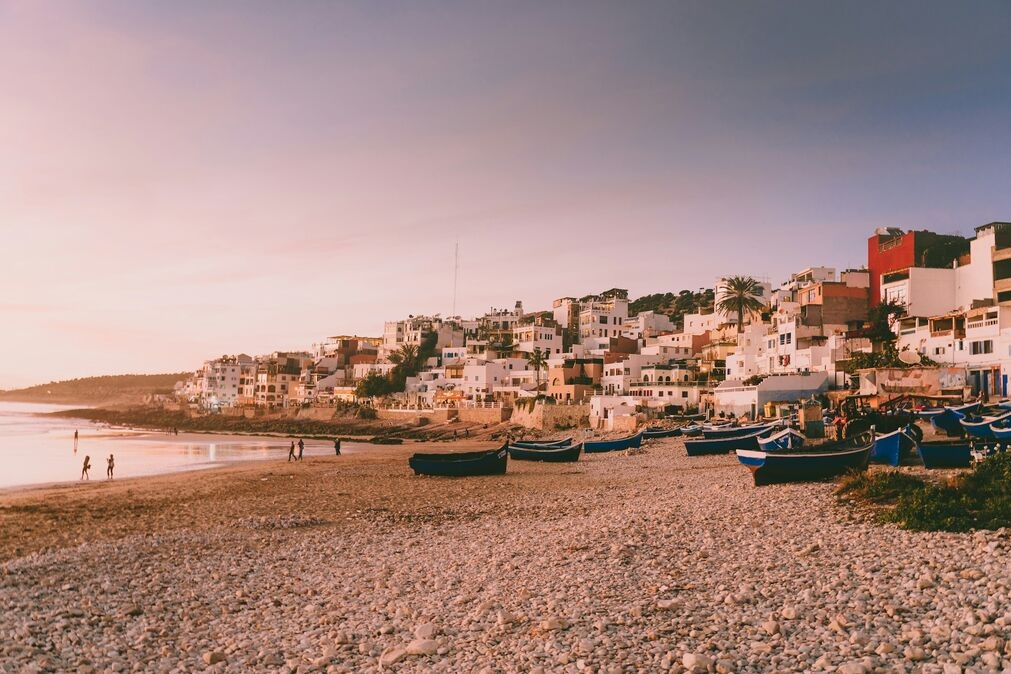
taghazout morocco

7 Reasons to Surf in Taghazout, Morocco (The Ultimate Guide)

Is Taghazout good for surfing? Why Surf in taghazout? Yes, Taghazout is the surf capital of Morocco. It is famous for its world-class right-hand point breaks, 300+ days of sunshine, and a welcoming local culture. Whether you are looking for professional surf lessons in Taghazout or searching for the legendary Atlantic swell, this village has it all.
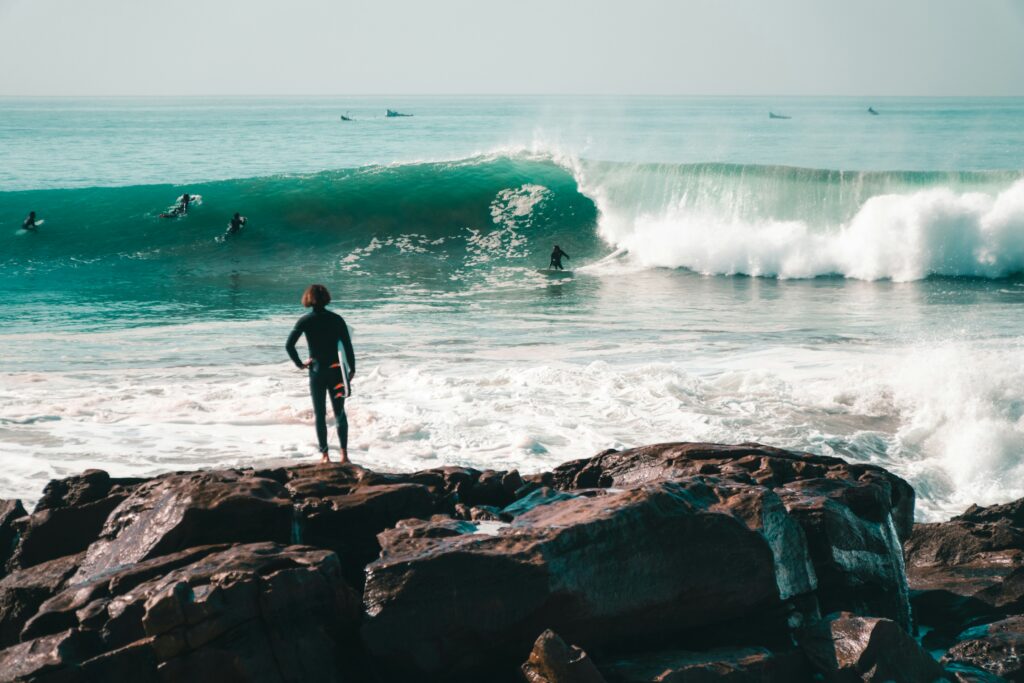

surf in taghazout

1. Legendary Right-Hand Point Breaks (Anchor Point)

Taghazout is world-renowned for its long, peeling right-hand point breaks. Anchor Point, the crown jewel of Morocco, can produce waves that run for over 300 meters on a solid Northwest swell. For advanced surfers, it offers high-performance walls and heavy sections that are truly world-class.

2. Consistent Atlantic Swells Year-Round

The Moroccan coastline is a magnet for North Atlantic swells. While the “prime season” for big waves is between October and March, the region sees rideable waves nearly every day. If you are wondering about the best time for your trip, check out our Taghazout Surf FAQ for seasonal details.

3. Surf Spots for Every Skill Level

You don’t need to be a pro to Surf in taghazout. Taghazout offers a perfect variety of breaks:

  • Beginners: Soft, sandy-bottom waves at Panorama Beach.
  • Intermediates: Manageable point breaks like Banana Point.
  • Advanced: Adrenaline-pumping spots like Boilers or Killer Point.

If you’re just starting, our beginner surf lessons in Taghazout are designed to get you standing up on your very first day.
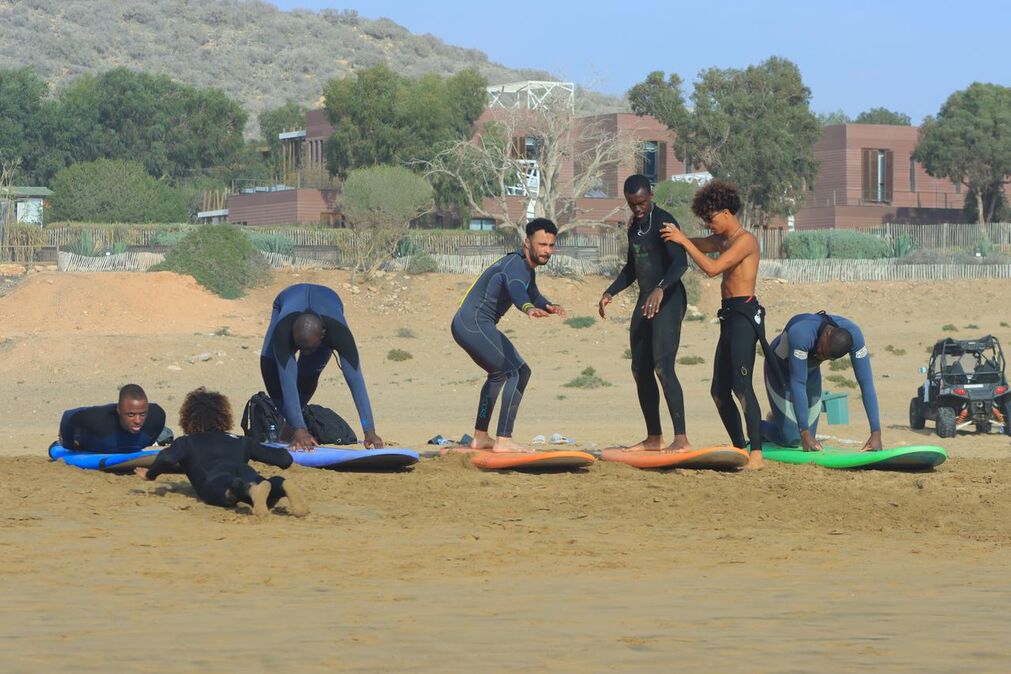

Local surf instructor teaching a beginner surf lesson in Taghazout, one of the best places to learn surfing in Morocco
Learning to surf in Taghazout with a local coach at one of Morocco’s top beginner surf spots

4. 300+ Days of Sunshine and Mild Climate

While Europe freezes in the winter, Taghazout stays warm. With winter air temperatures averaging 22°C (72°F), it is the ultimate winter escape. A 3/2mm wetsuit is usually perfect for most of the year, ensuring you stay comfortable during long sessions.

5. Authentic Berber Surf Culture

The “vibe” in Taghazout is a unique blend of traditional Moroccan hospitality and a laid-back lifestyle. Between surf sessions, you can enjoy fresh mint tea on a rooftop terrace or explore the local village. It’s a place where you arrive as a guest and leave as part of the family.

6. High Value and Affordability

Compared to European surf hubs, Taghazout offers incredible value. Your money goes further here—from high-quality surf coaching to delicious local Tagines and affordable accommodation.

7. Epic Day Trips: Sandboarding and Paradise Valley

When the waves are small or your muscles need a break, the adventure doesn’t stop. You can head into the mountains to discover the natural pools of Paradise Valley or experience the thrill of sandboarding in the Timlaline dunes, where the desert meets the ocean.
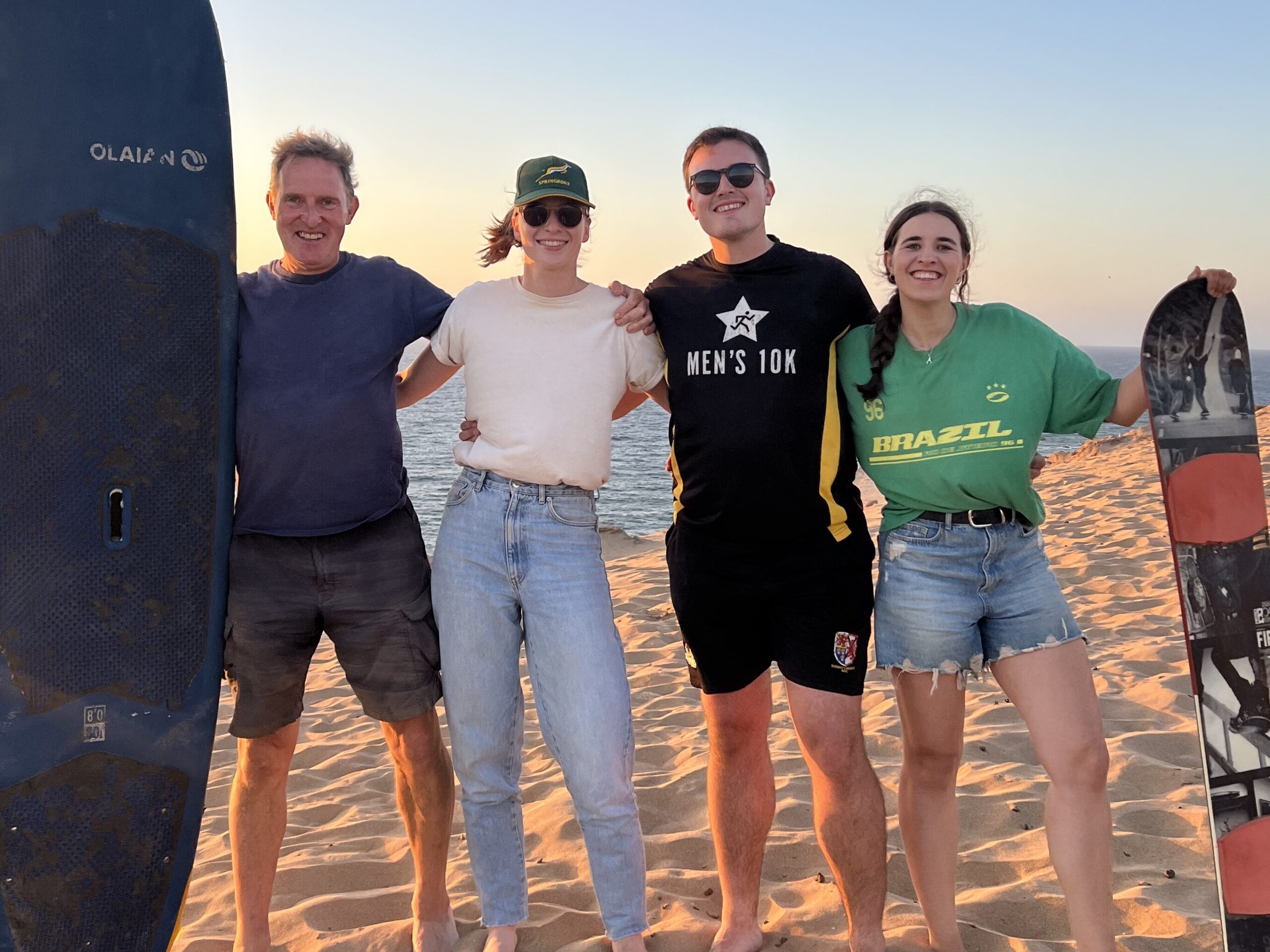

sandboarding in taghazout

Taghazout Surf Spot Guide

To surf in Taghazout successfully, you need to match your skill level with the right break. This guide helps you find the best waves to surf in Taghazout, from the world-famous Anchor Point to beginner-friendly sandy beaches. Use the table below to plan your next session and enjoy the best surf in Morocco.

Surf Spot Skill Level Wave Type Best Tide
Anchor Point Advanced Right Point Break Low to Mid
Panorama Beach Beginner Beach Break All Tides
Banana Point Intermediate Right Point Break Low Tide
Killer Point Advanced Power Right Point Low Tide
Devil’s Rock Beginner/Int A-Frame Break Low to Mid

Frequently Asked Questions (FAQ)

During the winter (October–March), a 3/2mm or 4/3mm wetsuit is essential as water temperatures hover around 18°C (64°F). In the summer, you can often surf in boardshorts or a thin spring suit, though a light wetsuit is still recommended for longer sessions.

Yes, the water quality has significantly improved. A major sewage treatment project was recently completed, diverting waste away from the village beaches to a treatment plant south of Devil’s Rock. However, it is still a local “pro-tip” to avoid surfing directly in front of the main village beach immediately after heavy rainfall to ensure you stay healthy.

Absolutely. While Taghazout is famous for big waves, spots like Panorama Beach and Crocodile Beach offer soft sandy bottoms perfect for learning. If you are new, booking surf lessons in Taghazout is the best way to stay safe and catch your first waves.


At Surf with Reda, we keep it simple. A group surf lesson is 250 MAD (€25). If you want a more personal experience for your own group, a private group lesson is 350 MAD (€35). This includes all your gear and a local coach who knows the best tides.


No, you cannot drink the tap water in Taghazout. It is highly recommended to only drink bottled water, which you can easily buy at any local shop in the village. Using tap water for drinking can cause stomach issues that will ruin your surf trip. To stay safe and surf-ready, it is preferable to buy large 5L or 10L bottles of water for your room and use that for everything, including brushing your teeth if you have a sensitive stomach.

The most reliable way is to book a private transfer in advance. While standard airport taxis can cost 350-400 MAD, we can organize a private taxi for you for only €25 (approx. 250 MAD). Our driver will meet you at the arrivals gate with your name on a sign, taking all the stress out of your arrival. To organize your transfer, simply contact us on WhatsApp with your flight details, and we will handle the rest!

Yes, there are now many ATMs located throughout Taghazout, including in the village center and at the larger hotels. However, you should still carry cash (Moroccan Dirham). Most local surf shops, traditional cafes, and street food vendors do not accept credit cards. To avoid being stuck, it is best to withdraw money at an ATM for your daily expenses. If you are booking surf lessons or an airport transfer with us, we also primarily accept cash to keep things simple and fast.


If you have cash in Euros or Dollars, you can easily exchange it at the Cash Plus Taghazout agency located near the village center. They offer competitive rates and are much more convenient than traveling back to Agadir for a bank.

Yes, most local shops and surf schools will accept Euros if you don’t have Dirhams yet. However, keep in mind that the “village rate” is usually 1 Euro = 10 MAD. While the official bank rate might be slightly higher (around 10.5 to 10.8 MAD), paying in Euros is a very common and accepted way to handle small expenses or your surf lessons when you first arrive.